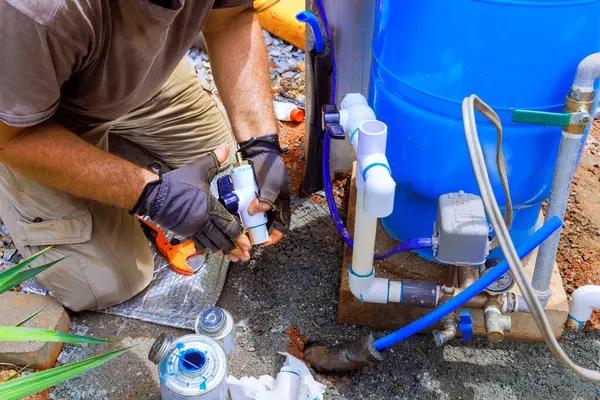
A pressure tank is a crucial component in ensuring the reliability and efficiency of any water system, whether it be residential, agricultural, or industrial. Its primary function is to maintain consistent water pressure throughout the system, which is essential for both performance and longevity of the plumbing infrastructure.
At its core, a pressure tank acts as a reservoir that stores pressurized water from a well or other source. This stored water is then readily available to meet demand without causing the pump to cycle on and off frequently. Frequent cycling can lead to premature wear and tear on pumps, resulting in costly repairs or replacements over time. By reducing the number of cycles per day, a pressure tank significantly extends the lifespan of these critical components.
Moreover, maintaining consistent water pressure is vital for user convenience and comfort. Fluctuating pressures can lead to frustrating experiences such as inconsistent shower temperatures or inefficient appliance operation. A well-functioning pressure tank ensures that when someone turns on a tap or an appliance demands water, there’s no sudden drop in flow rate or temperature change due to inadequate supply from the pump.
In addition to protecting equipment and improving user experience, pressure tanks also contribute to energy efficiency within a water system. Pumps are typically among the most energy-intensive components in any setup; therefore, minimizing their operational frequency directly translates into energy savings. By storing pressurized water ready for immediate use during peak demands without engaging the pump each time ensures that energy consumption remains optimal.
For those relying on private wells rather than municipal supplies, having an efficient system with stable output becomes even learn more critical given potential variability in groundwater levels and quality. Here too lies another advantage: by smoothing out these fluctuations through proper storage capacity management offered by adequate sizing of tanks based upon household needs (or larger-scale applications), users gain peace-of-mind knowing they have reliable access regardless environmental conditions outside control like droughts etcetera impacting availability upstream sources themselves!
Lastly but certainly not least important: safety considerations come into play whenever dealing high-pressure systems containing liquids under forceful containment measures necessary avoid catastrophic failures leading property damage personal injury alike should malfunctions occur unexpectedly unmitigated fashion absent safeguards provided integral parts such devices designed specifically purpose mitigating risks associated handling volatile substances safely effectively manner possible thus underscoring importance incorporating them thoughtfully engineered solutions tailored address unique requirements faced daily basis across diverse scenarios encountered globally today tomorrow beyond foreseeable future alike!
About the Author