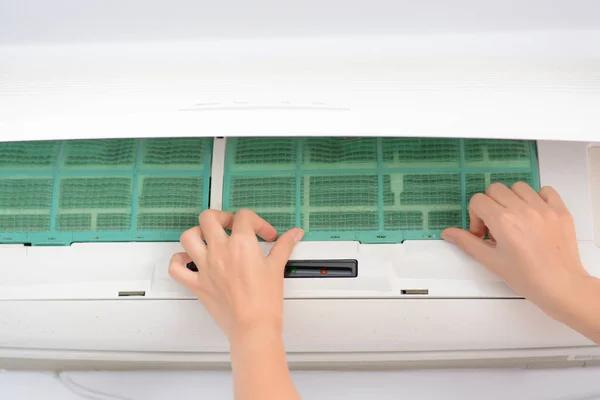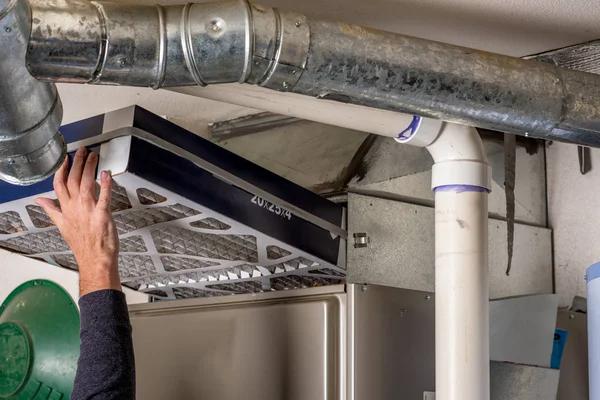
Maintaining commercial refrigeration systems at optimal performance is essential for businesses that rely on consistent cooling to preserve perishable goods. Proper care and attention can enhance reliability, reduce energy costs, and extend the lifespan of the equipment. One key factor in achieving better performance is regular cleaning. Dust and debris accumulation on condenser coils restrict airflow, causing the system to work harder and consume more energy. Cleaning these coils frequently ensures efficient heat exchange and prevents overheating.
Another important aspect is monitoring temperature settings carefully. Setting temperatures too low wastes energy, while temperatures set too high risk food safety compliance issues. It’s crucial to maintain recommended temperature ranges specific to different types of products stored within the refrigeration units. Installing accurate thermometers or digital monitoring devices helps track conditions consistently, allowing timely adjustments when necessary.
Routine inspection of door seals also plays a vital role in maintaining efficiency. Worn or damaged gaskets allow cold air to escape and warm air to enter, forcing compressors to operate longer than needed. Checking seals regularly for cracks or gaps and replacing them promptly reduces strain on components while improving overall cooling consistency.
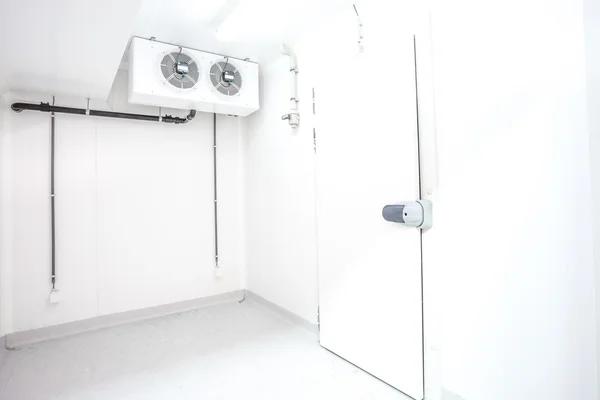
Proper airflow inside refrigeration units contributes significantly as well. Overloading shelves or blocking vents impedes circulation, leading to uneven temperatures throughout the storage area. Organizing contents with sufficient spacing allows cold air to flow freely around items so that all products remain adequately chilled without hotspots forming.
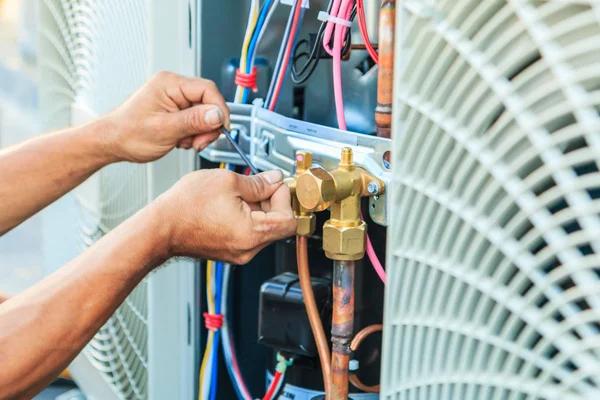
Scheduling preventive maintenance with qualified technicians helps identify potential problems before they escalate into costly repairs or downtime situations. Professional servicing includes checking refrigerant levels, inspecting electrical connections, lubricating moving parts, and verifying compressor functionality among other tasks tailored specifically for commercial systems.
Energy efficiency should be prioritized by investing in modern equipment designed with advanced technologies such as variable speed compressors and improved insulation materials that minimize heat gain from external sources like sunlight or ambient room temperature fluctuations.
Training staff members who interact daily with refrigeration units fosters proper usage habits such as minimizing door openings during busy periods and promptly reporting unusual noises or performance issues which could indicate underlying malfunctions requiring immediate attention.
In summary, enhancing Commercial Refrigeration performance requires a combination of routine cleaning practices, vigilant temperature control, seal maintenance, thoughtful product arrangement inside units, scheduled professional inspections alongside adopting energy-efficient equipment upgrades supported by well-informed personnel efforts aimed at preserving system integrity over time effectively ensuring reliable operation critical for business success within industries dependent on refrigerated storage solutions.
About the Author