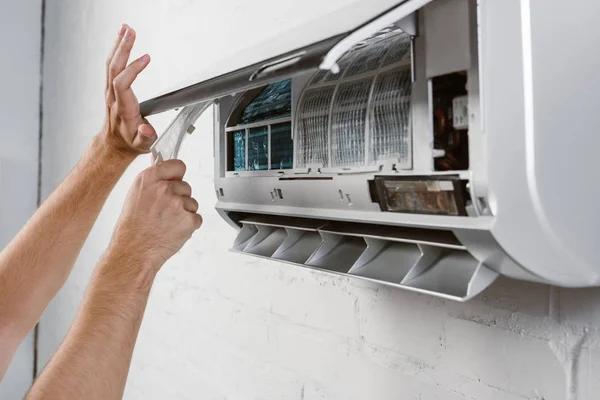
When your air conditioner runs but doesn’t cool, it can be incredibly frustrating, especially during the sweltering summer months. While some common issues like dirty filters or low refrigerant levels are often discussed, there are lesser-known technical reasons that could be affecting your unit’s performance.
One potential cause is a malfunctioning thermostat. The thermostat serves as the brain of your HVAC system, dictating when and how long the air conditioner should run. If it’s not calibrated correctly or has faulty wiring, it might signal the unit to operate at incorrect times or temperatures. This can result in an AC that runs continuously without effectively cooling your space.
Another overlooked issue could be related to the expansion valve within your system. This component plays a crucial role in regulating the flow of refrigerant into the evaporator coil. If it’s stuck open or closed due to debris or mechanical failure, it can lead to improper refrigerant flow and subsequently inadequate cooling performance.
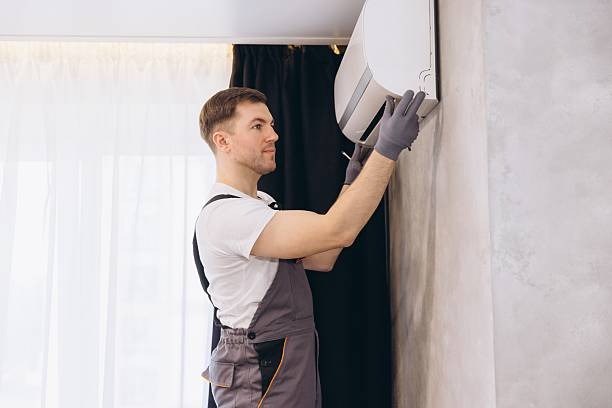
Moreover, problems with electrical connections can also hinder cooling efficiency. Loose wires or corroded terminals may disrupt power supply to critical components such as compressors and fans, causing them to function intermittently or not at full capacity. Regular maintenance checks by a professional technician check here can help identify these hidden electrical issues before they escalate into more significant problems.
The condition of ductwork is another factor often neglected when diagnosing AC issues. Leaks in ducts allow cooled air to escape before reaching its intended destination, reducing overall efficiency significantly. Additionally, poorly insulated ducts located in unconditioned spaces like attics can absorb heat from their surroundings and deliver warmer air instead of chilled airflow throughout your home.
Furthermore, an undersized condenser unit might struggle with maintaining adequate pressure levels required for efficient operation—especially if installed improperly relative to other components within larger systems (e.g., mismatched indoor/outdoor units). Ensuring compatibility between all parts ensures optimal functionality while avoiding unnecessary strain on individual elements over time due largely because each piece operates synergistically rather than independently under ideal circumstances where everything works together seamlessly without interference from external influences beyond control parameters set forth initially during installation procedures themselves!
Lastly: consider environmental factors impacting outdoor equipment; obstructions around exterior units restrict airflow needed dissipate heat efficiently thereby compromising overall performance! Clear away debris regularly keep surrounding area free clutter ensure maximum ventilation possible so nothing obstructs path necessary facilitate smooth operations year-round regardless weather conditions outside influence internal climate comfort levels indoors directly affected by what happens externally too!
In conclusion: addressing these lesser-known technical reasons requires attention detail awareness potential pitfalls lurking beneath surface level appearances alone—consult qualified professionals diagnose resolve underlying causes promptly prevent recurrence future instances similar nature altogether once root problem identified corrected accordingly thereafter moving forward confidently knowing everything functioning optimally again soon enough!
About the Author